
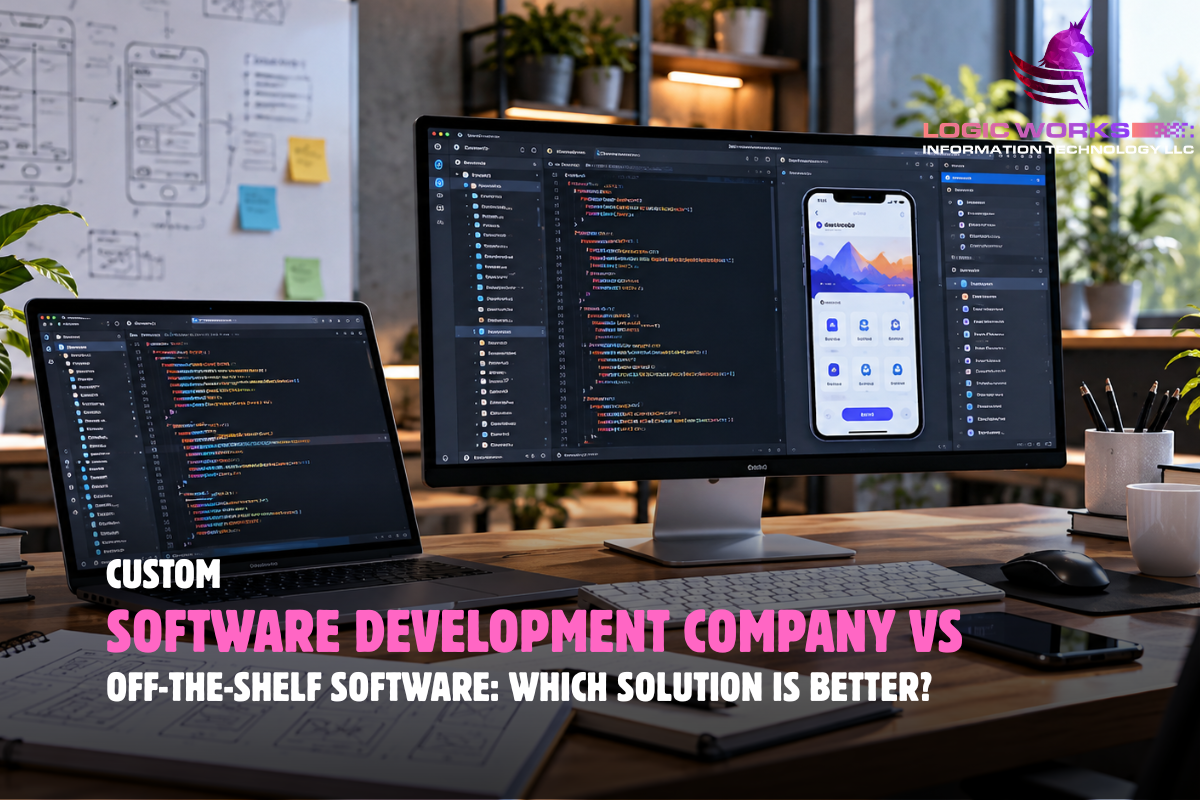
Businesses today depend heavily on software to manage operations, improve customer experiences, and increase productivity. However, choosing the right type of software solution can be challenging. Many organizations compare a Custom Software Development Company approach with ready-made software products to understand which option better supports their goals.
Off-the-shelf software provides pre-built features that work for general business requirements, while custom software is designed specifically around a company’s processes, challenges, and future plans. The right choice depends on business size, operational needs, budget, scalability requirements, and long-term objectives.
What Is Custom Software Development?
Custom software development is the process of creating software specifically for a business or organization. Instead of using a solution designed for a large audience, companies receive a platform built around their unique requirements.
Custom software can include:
- Business management systems
- Customer relationship platforms
- Mobile applications
- Web applications
- Enterprise solutions
- Automation tools
- Data management platforms
A customized solution allows businesses to select the features, integrations, and workflows that directly support their operations.
What Is Off-the-Shelf Software?
Off-the-shelf software is a ready-made solution created for general users or businesses. These platforms usually provide common features that serve multiple industries.
Examples include:
- Accounting software
- Project management tools
- Customer relationship management platforms
- Marketing automation systems
These solutions are often available immediately and may require minimal setup compared to custom development.
Custom Software vs Off-the-Shelf Software: Key Differences
Understanding the differences between these two approaches helps businesses choose the right technology strategy.
| Feature | Custom Software | Off-the-Shelf Software |
| Development | Built according to business needs | Already developed |
| Flexibility | Highly customizable | Limited customization |
| Scalability | Can grow with business requirements | Depends on provider limitations |
| Features | Only required features included | Includes general features |
| Integration | Designed for specific systems | May have restrictions |
| Ownership | Greater control | Controlled by software provider |
When Should Businesses Choose Custom Software Development?
Custom software is often the right choice for businesses with unique processes or specific operational requirements.
Businesses With Unique Workflows
Every company has different ways of managing customers, employees, inventory, or services. Standard software may not support these workflows effectively.
Custom software allows businesses to create tools that match their exact working methods.
Companies Planning Long-Term Growth
Growing businesses need technology that can adapt to changing requirements. Custom solutions can be expanded with additional features as the organization develops.
For example, a business may start with a basic customer management platform and later add analytics, automation, or payment features.
Organizations Requiring Advanced Integration
Many companies use multiple systems to manage different departments. Custom software can connect these platforms and create a unified digital environment.
This improves data flow and reduces manual work.
When Is Off-the-Shelf Software a Better Option?
Ready-made software can be suitable for businesses with simple requirements or limited customization needs.
Businesses With Standard Requirements
If a company only needs common features such as basic accounting, communication, or project management tools, an existing solution may provide enough functionality.
Companies Needing Quick Implementation
Off-the-shelf platforms are usually available immediately, making them useful for businesses that need a solution quickly.
Businesses With Limited Initial Budgets
Pre-built software often requires lower upfront investment compared to developing a completely customized platform.
However, businesses should also consider long-term costs, limitations, and future requirements.
Cost Comparison: Custom Software vs Ready-Made Solutions
Cost is one of the biggest factors businesses consider when selecting software.
Off-the-shelf software may appear more affordable initially because companies pay subscription fees or licensing costs. However, expenses can increase over time through:
- Monthly subscriptions
- Additional user fees
- Premium features
- Integration costs
Custom software requires a higher initial investment but provides a solution built specifically around business needs.
The overall value depends on how effectively the software improves productivity, reduces operational challenges, and supports business growth.
Learn more about investment factors in software projects: [Custom Software Development Cost]
Security Considerations
Security requirements vary between businesses. Companies handling sensitive customer information, financial data, or confidential operations often need greater control over their software environment.
Custom software allows businesses to implement security features based on their specific requirements.
Off-the-shelf software providers manage security for multiple customers, which may limit customization options.
Scalability and Future Requirements
Technology needs change as businesses grow. Software that works today may not support future demands.
Custom software provides flexibility because businesses can continue adding new features and improving functionality.
Off-the-shelf software depends on the provider’s development roadmap. Businesses may need to adjust their processes if the platform does not support future requirements.
How to Choose the Right Software Solution?
Before selecting between custom and ready-made software, businesses should evaluate:
Business Goals
Identify what problems the software needs to solve and what improvements are expected.
Required Features
Determine whether existing software provides necessary features or whether customization is required.
Growth Plans
Consider future expansion and whether the software can support increasing demands.
Budget and Resources
Evaluate both initial investment and long-term operational costs.
A careful evaluation helps businesses choose a solution that provides practical value.
How Logic Works Supports Custom Software Solutions
Logic Works Information Technology helps businesses develop digital platforms based on their unique operational requirements. The company focuses on creating practical solutions that improve efficiency, support growth, and enhance digital experiences.
Through a structured development approach, Logic Works helps organizations transform ideas into reliable software solutions that align with their business objectives.
Explore the complete development approach: [Custom Software Development Process]
Final Thoughts
The choice between custom software and off-the-shelf software depends on each business’s goals, processes, and future plans.
Off-the-shelf solutions can work well for businesses with standard requirements that need quick implementation. However, companies with unique workflows, advanced integration needs, or long-term growth plans may benefit from customized software.
A thoughtful software strategy helps businesses invest in technology that supports efficiency, flexibility, and sustainable growth.